Tuesday, April 9, 2024

Culture of Punjab

 -By Jigya Jain

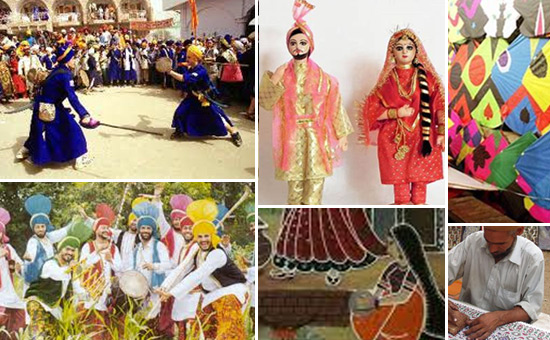
Punjab has one of the oldest and richest cultures of the world. Its diversity and uniqueness is evident in the Punjabi poetry, philosophy, spirituality, education, artistry, music, cuisine, science, technology, military warfare, architecture, traditions, values and history.

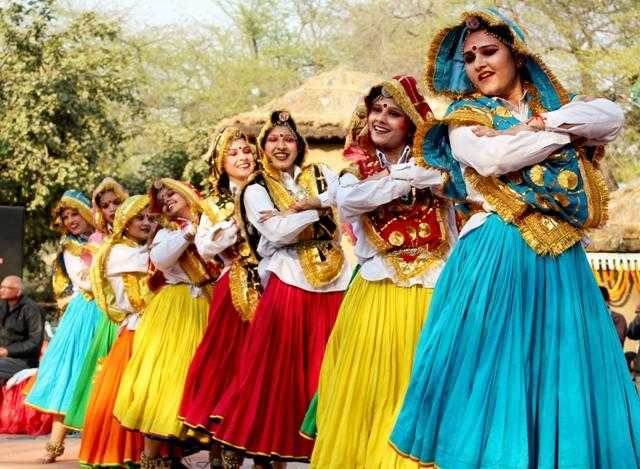
Punjabis celebrate numerous religious and seasonal festivals, such as Dussehra, Diwali, Baisakhi, and many more. There are numerous anniversary celebrations as well in honour of the Gurus (the 10 religious leaders of Sikhism) and various saints. Expressing happiness and gaiety through dance is a typical feature of such festivities, with bhangra, jhumar, and sammi being among the most popular genres. Giddha, a native Punjabi tradition, is a humorous song-and-dance genre performed by women. In addition to Sikh religious music, semi-classical Mughal forms, such as the khyal dance and the thumri, ghazal, and qawwali vocal performance genres, continue to be popular.

The traditional dress for Punjabi men is ‘Punjabi Kurta’ and ‘Tehmat’, especially the popular Muktsari style, which is being replaced by the kurta and pajama in the modern day Punjab. The traditional dress for women is the Punjabi Salwar Suit which replaced the traditional Punjabi Ghagra. The Patiala salwar is also very popular.

 Punjabi cuisine is a culinary style originating in the Punjab, a region in the northern part of South Asia, which is now divided in an Indian part to the east and a Pakistani part to the west. This cuisine has a rich tradition of many distinct and local ways of cooking.

Dishes like Sarson Da Saag, Tandoori Chicken, Shami Kebab, Makki di Roti, etc. are some Punjabi dishes that rule over the hearts of all food lovers. The culinary practices of the state are simple, rustic, yet exotic in their own way.

Also known as the heart of India, Madhya Pradesh is the second-largest state that is home to three spectacular World UNESCO Heritage Sites, picturesque landscapes, and amazing wildlife. Boasting a rich cultural heritage and stunning topography, the centrally located state is quite popular amongst historians, archaeologists, and tourists from all over the world. With a myriad range of cultural festivals, there's a lot to explore in Madhya Pradesh as it is one of the richest tourist destinations in India. The capital city, Bhopal is also famous for many historical and archaeological sites and recreational activities.

Since people here are both vegetarian and non-vegetarian, you will find a wide range of delectable dishes. Indori Poha is a popular breakfast that shouldn't be missed. The most iconic vegetarian dishes of Madhya Pradesh are bhutte ki kees, dal bafla, palak poori, chakki ki shaak which are truly delightful. Some of the most popular non-vegetarian dishes include gosht korma from Bhopal, seekh kebabs, biryani pilaf, and Murgh Rezala. Sweet savouries such as malpua, mawa-bati, khoya jalebi, badkul, shrikhand, chikki, etc are definitely going to make you ask for more.


Culture of Chandigarh

-By Jigya Jain

Chandigarh, the capital of both Punjab and Haryana, has a rich and vibrant culture that reflects the fusion of Punjabi and Haryanvi traditions. The city was planned by the famous architect Le Corbusier, and its well-designed layout is a testament to modernity and innovation.

The people of Chandigarh are known for their warm and welcoming nature. They embrace their cultural heritage and take pride in their traditions. Chandigarh is a melting pot of different cultures, with a mix of Punjabi, Haryanvi, and even a touch of Himachali influences.

The city celebrates a wide range of festivals with great enthusiasm. Baisakhi, which marks the harvest season, is one of the most important festivals celebrated in Chandigarh. During this time, people dress in colourful attire, perform traditional dances like Bhangra and Gidda, and enjoy delicious Punjabi food.

Food is an integral part of Chandigarh's culture. Punjabi cuisine, with its rich flavours and hearty dishes, takes centre stage. You can Savor mouthwatering delicacies like butter chicken, sarson da saag, makki di roti, and chole bhature. The city is also known for its street food, with popular snacks like golgappe, aloo tikki, and chole kulche being a favourite among locals and visitors alike.

Art and music are also thriving in Chandigarh. The city hosts various cultural events, art exhibitions, and live performances that showcase the talent of local artists. The Tagore Theatre and the Government Museum and Art Gallery are popular venues for cultural activities.

Chandigarh's culture is a beautiful blend of tradition and modernity, making it a unique and fascinating place to explore.


Exploring Daman and Diu

 -By Jigya Jain 

Daman and Diu have a unique blend of Portuguese and Indian influences, making it a culturally diverse and fascinating place to explore.

Due to its history of Portuguese colonization, the architecture and lifestyle in Daman and Diu reflect a strong Portuguese influence. The colonial-era buildings, churches, and forts are some of the prominent attractions that showcase the architectural beauty of the region. The Church of Bom Jesus and the Diu Fort are must-visit sites that depict the rich history and cultural heritage of the place.

The people of Daman and Diu celebrate a variety of festivals with great enthusiasm. The Festa de Diu, held annually, is a month-long festival that showcases music, art, culture, and adventure sports. The vibrant celebrations during festivals like Diwali, Christmas, and Holi further highlight the cultural diversity and harmony among different communities.

The traditional folk music and dance of Daman and Diu are captivating. The Daman folk dance, known as Vira, is performed during special occasions and festivities. The use of traditional musical instruments like dhol, ghunghroo, and harmonium adds a lively and energetic touch to the performances.

The cuisine of Daman and Diu is a delightful fusion of Portuguese and Gujarati flavors. Seafood dishes like fish curry, prawn balchao, and crab masala are popular among locals and visitors alike. The influence of Portuguese cuisine can be seen in dishes like pork vindaloo and bebinca, a delicious layered dessert.

The serene beaches of Daman and Diu offer a tranquil escape, where one can relax and soak in the beauty of nature. The laid-back coastal lifestyle, coupled with the warm hospitality of the locals, adds to the charm of the place.

In a nutshell, the culture of Daman and Diu is a captivating blend of Portuguese and Indian traditions. From the architectural marvels to the vibrant festivals and delectable cuisine, this union territory has a lot to offer to those seeking a unique cultural experience. So, if you ever get a chance, do visit Daman and Diu to immerse yourself in its rich and diverse cultural tapestry.


Exploring Delhi

 -By Jigya Jain

Delhi, the capital city of India, has a fascinating culture that reflects its historical significance and diverse population. The city is a melting pot of various cultures, traditions, and languages, making it a vibrant and dynamic place to explore.

One of the most iconic aspects of Delhi's culture is its historical architecture. The city is home to numerous UNESCO World Heritage Sites, such as the Red Fort, Qutub Minar, and Humayun's Tomb. These architectural marvels showcase the rich history and grandeur of Delhi.

Delhi is also known for its diverse culinary scene. From street food to fine dining, the city offers a wide range of flavours and dishes. You can savour mouthwatering delicacies like chaat, parathas, butter chicken, and kebabs.

The city celebrates various festivals with great enthusiasm. Diwali, Holi, Eid, and Christmas are celebrated with fervour, bringing people from different communities together. The streets come alive with decorations, lights, and festivities during these times, creating a joyful atmosphere throughout the city.

Delhi is a hub for art and culture. The city hosts numerous art exhibitions, music concerts, theatre performances, and dance shows. The India International Trade Fair and the Delhi International Film Festival are also major cultural events that attract people from all over the country.

Delhi's cultural heritage is not just limited to its historical sites and festivals. It is also reflected in its literature, poetry, and language. The city has been a centre of literary activities for centuries, with famous poets and writers hailing from Delhi.

Overall, Delhi's culture is a beautiful amalgamation of history, art, cuisine, and traditions. It's a city that embraces diversity and offers a unique blend of old-world charm and modernity.


Cultural Tapestry of Haryana

 -By Jigya Jain

Haryana, located in the northern part of the country, is known for its rich heritage and traditional values.

The culture of Haryana is deeply rooted in its agricultural background. The people of Haryana, known as Haryanvis, take great pride in their farming traditions and the agricultural festivals that mark the various stages of crop cultivation. Baisakhi, Teej, and Holi are celebrated with great enthusiasm, with locals coming together to perform folk dances like the famous 'Ghoomar' and 'Phag Dance'.

Haryanvi folk music and dance are an integral part of the culture. The lively beats of the dhol and the soulful tunes of the algoza (a wind instrument) create a festive atmosphere during celebrations and social gatherings. The folk songs, known as Raginis, narrate tales of love, valour, and the everyday lives of the people.

The traditional attire of Haryanvis is colorful and reflects the rural lifestyle. Men often wear a dhoti-kurta or kurta-pyjama, while women adorn themselves in vibrant ghagras (long skirts) and cholis (blouses). The women also wear beautiful ornaments like bangles, anklets, and nose rings, adding to the charm of their attire.

Haryana is also famous for its sports culture. Wrestling, kabaddi, and kho-kho are popular traditional sports that have deep roots in the state. The spirit of sportsmanship and physical fitness is highly valued, and Haryana has produced many renowned athletes who have brought glory to the nation.

The cuisine of Haryana is known for its rustic Flavors and simplicity. Traditional dishes like kadhi, bajra roti, and kachri ki chutney are staples in Haryanvi households. The use of locally grown ingredients and spices adds a distinct taste to the cuisine, making it a treat for food enthusiasts.

In conclusion, Haryana's culture is a beautiful amalgamation of tradition, music, dance, and agricultural heritage. The warmth and hospitality of the Haryanvi people, coupled with their love for their roots, make it a fascinating state to explore. From the vibrant festivals to the mouthwatering cuisine, Haryana offers a delightful cultural experience that is truly unique.


Discovering culture of Ladakh

 -By Jigya Jain

Located in northern India, Ladakh is a region known for its rich and vibrant culture. With its beautiful landscapes and unique traditions, Ladakh has captured the hearts of many travellers. The culture of Ladakh was greatly influenced by Tibetan Buddhism, which is evident in the monasteries, prayer flags and the peaceful lifestyle adopted by the people. Shrines like Hemis, Thiksey and Diskit are not just religious institutions but also architectural marvels that reflect the spiritual heritage of the region.

 The people of Ladakh, mostly Tibetan and Indo-Aryan, are warm and hospitable. They celebrate various festivals throughout the year; Hemis Festival is one of the biggest. In this spectacular event, local people wear traditional clothes, perform mask dances and participate in religious ceremonies.

 Ladakh cuisine is a delicious blend of Tibetan, Indian and Central Asian cuisine. Traditional dishes such as momos (dumplings), thukpa (noodle soup) and butter tea are popular with locals and visitors alike. These foods provide nutrients to the rugged mountain slopes and reflect the region's unique heritage.

 Arts and crafts of Ladakh are also clearly visible. Skilled artisans create intricate thangka designs, wood carvings, and hand-woven fabrics featuring Buddhist motifs and folklore. These beautiful works of art are not only interesting but also contribute to the preservation of Ladakh culture.

 The music and dance of Ladakh are part of the cultural fabric. Traditional music is characterized by soulful songs played on instruments such as surna (oboe) and daman (drum). Dynamic dances such as the Cham dance reflect the spiritual beliefs of the region and are performed during festivals and special occasions. In conclusion, Ladakh culture is a tapestry of spirituality, tradition and natural beauty.

 The unique combination of Tibetan Buddhism, local traditions and beautiful landscapes makes this a fascinating destination for those looking for a cultural experience. Whether exploring monasteries, enjoying local cuisine, or witnessing grand festivals, Ladakh offers a glimpse into a world where tradition and peace coexist.


Culture of Lakshadweep

-By Jigya Jain 

Lakshadweep offers tourists with not just a mesmerizing natural setting but attracts them with its simplistic lifestyle and vibrant culture. Its diversified traditions and cultural practices add on to the overall charm of Lakshadweep.

The culture of Lakshadweep is similar to that of Kerala state to a large extent. Its proximity with the state of Kerala and its influence can be seen evidently in the cultural practices of those residing on the islands. The influence can be seen in not just practices but also in cuisine, dance and music of the place.

The main language of the people in Lakshadweep is Malayalam. However, one can find people speaking languages such as Tamil, Telugu, Kannada, Marathi, Oriya and Bengali.

Most of the people on the island follow Islamic religion which also defines the culture of Lakshadweep to some extent. However, there are other ethnic groups as well living on the islands.

If legends are to be believed, Hazrat Ubaidullah was the prophet and founder of Islam in Lakshadweep. Festivals such as Zikkar, Eid-ul-Fitr and Eid-ul-Zuha form an important part of the Lakshadweep culture.

Another important part of Lakshadweep lifestyle is fishing. The handicrafts of Lakshadweep are also very popular all over the world. Artisans of the island create attractive jewellery and decorative items from coir, corals, shells and oysters.


Exploring Puducherry

 -By Jigya Jain Welcome to Puducherry, a captivating destination that beautifully weaves together French colonial influences and Indian trad...